Global Military-Civil Medical Partnership Essential; Dr. Shamsheer Vayalil Proposes New Model
– The private sector must be more than just a healthcare provider; it should serve as a strategic partner.
– Preparations must begin well before crises arise; the UAE serves as a model for humanitarian interventions.
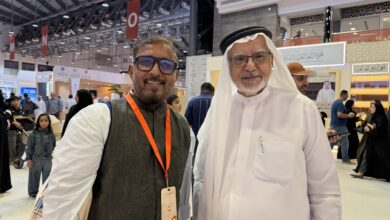
Abu Dhabi: Burjeel Holdings, a leading healthcare provider in the Gulf, has emphasized the need for military and civilian medical sectors to work in tandem to address increasingly complex wartime scenarios and technological challenges. At the World Congress of Military Medicine—hosted by the UAE for the first time—Dr. Shamsheer Vayalil, Founder and Chairman of Burjeel Holdings, proposed a new model: a “Global Military-Civil Medical Partnership,” designed to further strengthen the nation’s defense preparedness and humanitarian healthcare capabilities.In his keynote address at the 46th edition of the Congress, Dr. Vayalil presented a practical action plan aimed at building sustainable capacity through collaborative preparation and innovation. The conference, organized jointly by the UAE Ministry of Defense and ADNEC Group under the theme “Ready in Times of Need, Resilient in the Face of Challenges,” has brought together military and civilian health experts from over 120 countries. *Evolving Warfare and the Role of the Private Sector*Dr. Shamsheer pointed out that shifts in warfare—such as drone surveillance, cyberattacks, and challenges within medical supply chains—are compelling military medicine to look beyond just battlefield injuries. Such collaborative partnerships are essential to ensuring the uninterrupted delivery of medical infrastructure during emergencies. He highlighted that the private healthcare sector can make significant contributions in four key areas: advanced treatment facilities, technology and innovation, the protection of infrastructure, and national-level preparedness.”The private sector must evolve from being merely a provider of healthcare services into a strategic partner within the nation’s medical framework,” Dr. Shamsheer stated. Military institutions can leverage the expertise and technology of the private sector while retaining their own operational command.
The UAE at the Forefront of Humanitarian Efforts
He cited the UAE’s floating hospital, operating in Al-Arish to provide treatment for patients from Gaza, as a prime example of civil-military medical cooperation. The provision of emergency medical care to 49 individuals injured in a major fire at a field hospital in Chad was highlighted as an exemplary instance of disaster response. Dr. Shamsheer emphasized that preparations for crises should begin well before they occur, rather than only after a situation has escalated.The UAE stands at the forefront globally in providing humanitarian aid. According to United Nations data, the UAE became the world’s third-largest donor to humanitarian missions in 2025, with contributions totaling $1.46 billion. Dr. Shamsheer also detailed the healthcare initiatives undertaken by Burjeel Holdings across more than 17 countries—including facilitating complex surgeries in India for approximately 1,000 patients from Yemen. To date, over 1.17 million patients have received care through Burjeel’s humanitarian interventions.The congress, currently being held at the ADNEC Centre, will conclude on November 13. Burjeel Holdings serves as a strategic partner for the event.